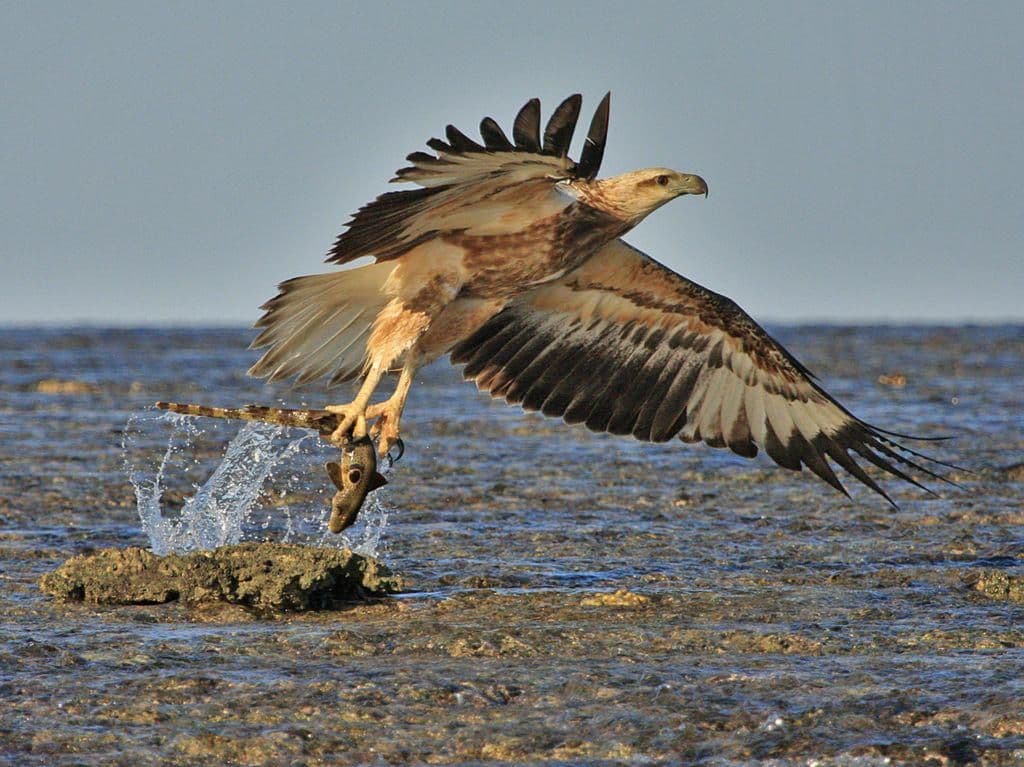
Decoding Life in a Changing Ocean
Dr. Jodie Rummer's lab at James Cook University, exploring the physiology of marine animals from the Great Barrier Reef to the open sea.
Photo is by Australian Geographic
Who We Are
RummerLab is a marine science research group led by Professor Jodie Rummer at the ARC Centre of Excellence for Coral Reef Studies, James Cook University, Townsville, Australia. Our team spans PhD students, postdoctoral researchers, honours students, and international collaborators united by a shared fascination with how aquatic animals function — and how they might (or might not) cope with the rapid environmental changes underway in today's oceans.
Jodie's path to the tropics began with a deep curiosity about fish blood. Her doctoral work uncovered a remarkable oxygen-transport mechanism in trout — a discovery that set the tone for a career defined by elegant physiology and urgent conservation questions. From high-altitude Andean rivers to the warm shallows of French Polynesia and the iconic reefs of the Coral Sea, she has spent decades eavesdropping on the biochemical conversations inside living fish.
Today, RummerLab investigates everything from the molecular machinery of gill function to the population-level consequences of ocean warming. We are particularly known for our work on elasmobranch (shark and ray) physiology, coral reef fish responses to climate change and ocean acidification, and the development of minimally invasive in-vivo and in-vitro protocols for studying live animals in the field.
What We Study
Our research threads together physiology, ecology, and conservation across three interconnected themes.
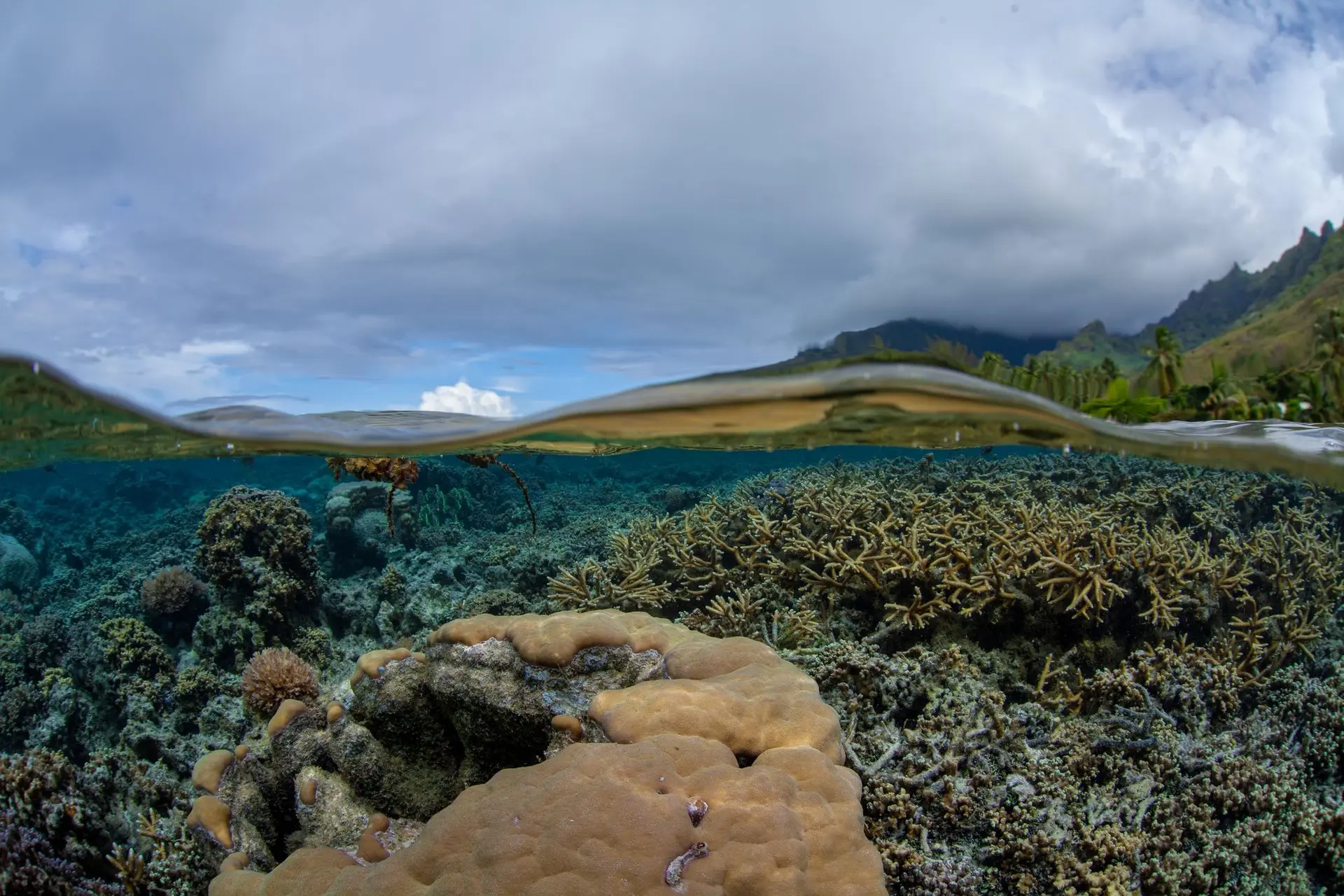
Shark Physiology
From embryos in egg cases on the seafloor to free-swimming reef sharks in French Polynesia, we study how sharks cope with warming, acidifying oceans — and what that means for their survival.
Physioshark Project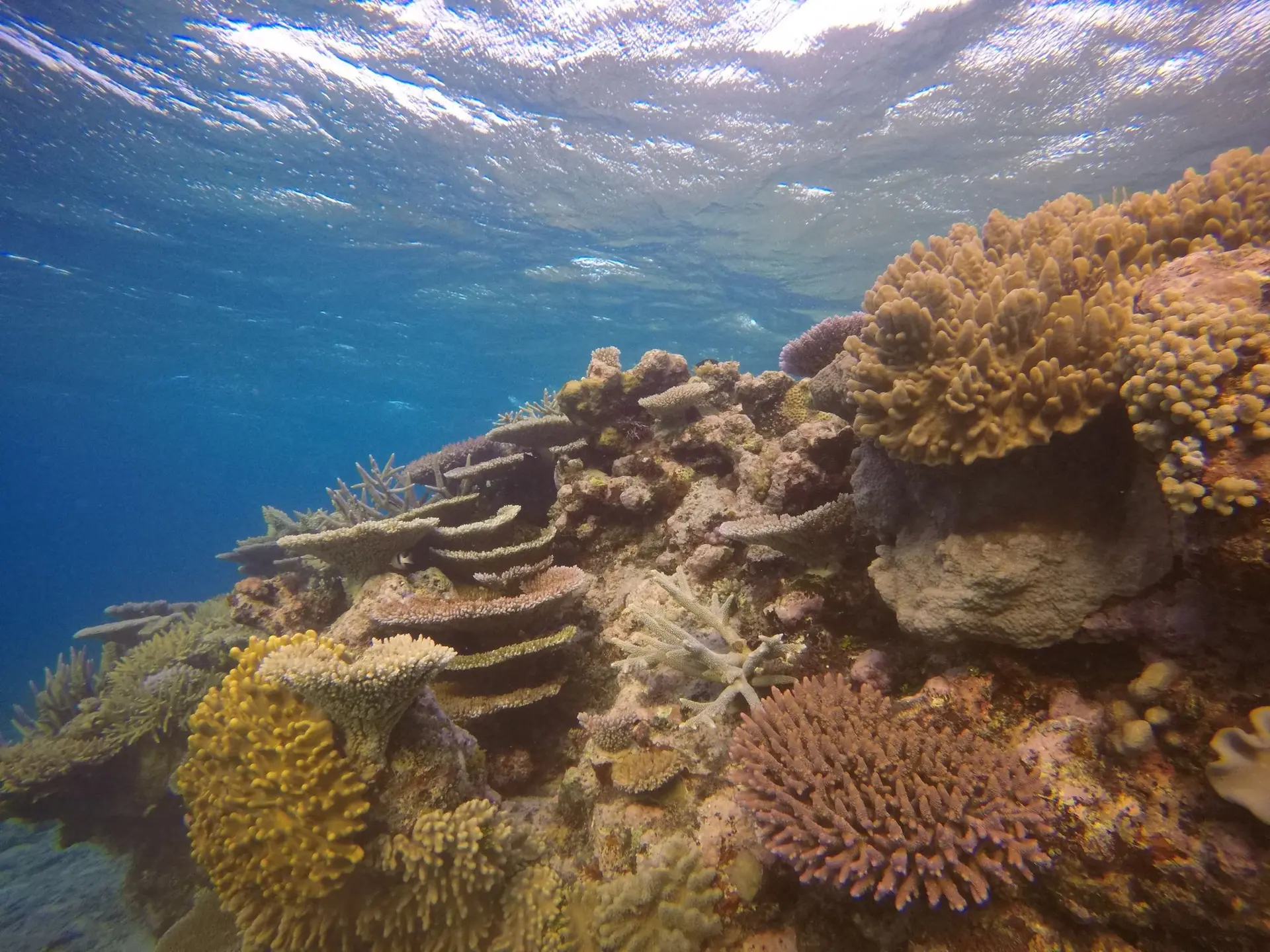
Climate Change & Fish Physiology
Rising temperatures and ocean acidification are not abstract threats — they alter blood chemistry, gill function, and behaviour in ways that can determine whether a fish lives or dies. We quantify these effects across hundreds of species.
Climate Change Research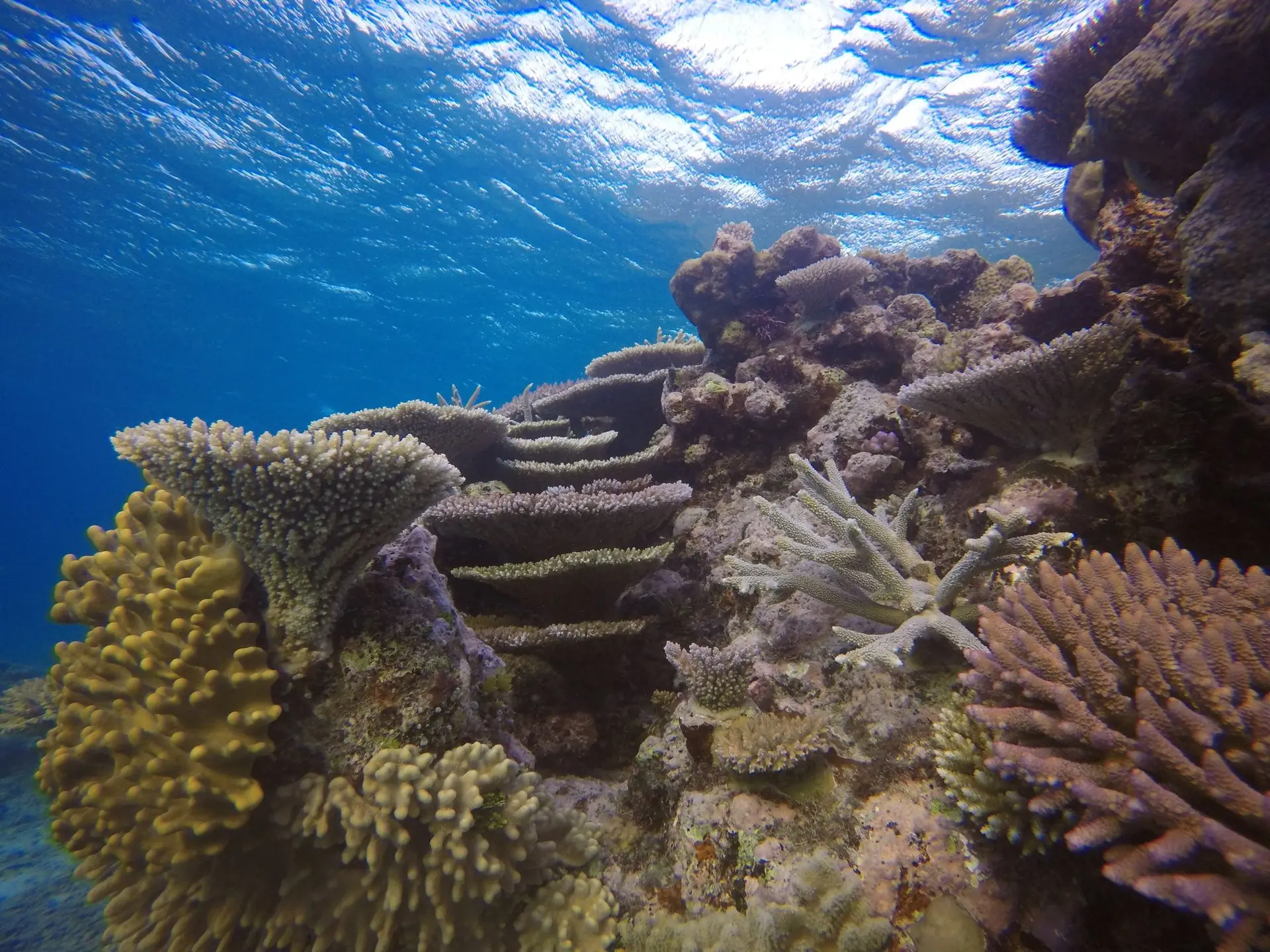
Great Barrier Reef Conservation
The Great Barrier Reef is our field laboratory and our responsibility. We monitor fish populations, test restoration approaches, and communicate findings to reef managers and the public.
ConservationOur Values
Curiosity-Driven Science
We ask fundamental questions about how fish and other aquatic animals work — at the cellular level and across entire ecosystems — and let the biology guide us.
Conservation Impact
Every experiment is motivated by a desire to protect the oceans. Our findings feed directly into management and policy decisions for threatened species and habitats.
Inclusive Research Culture
We foster a collaborative, inclusive environment where students, postdocs, and visiting scientists from around the world are empowered to do their best work.
Open & Reproducible
We are committed to rigorous, transparent science — sharing data, protocols, and findings openly so the wider community can build on our work.
Explore Our World
Dive deeper into our science, meet the team, or find out how you can get involved.