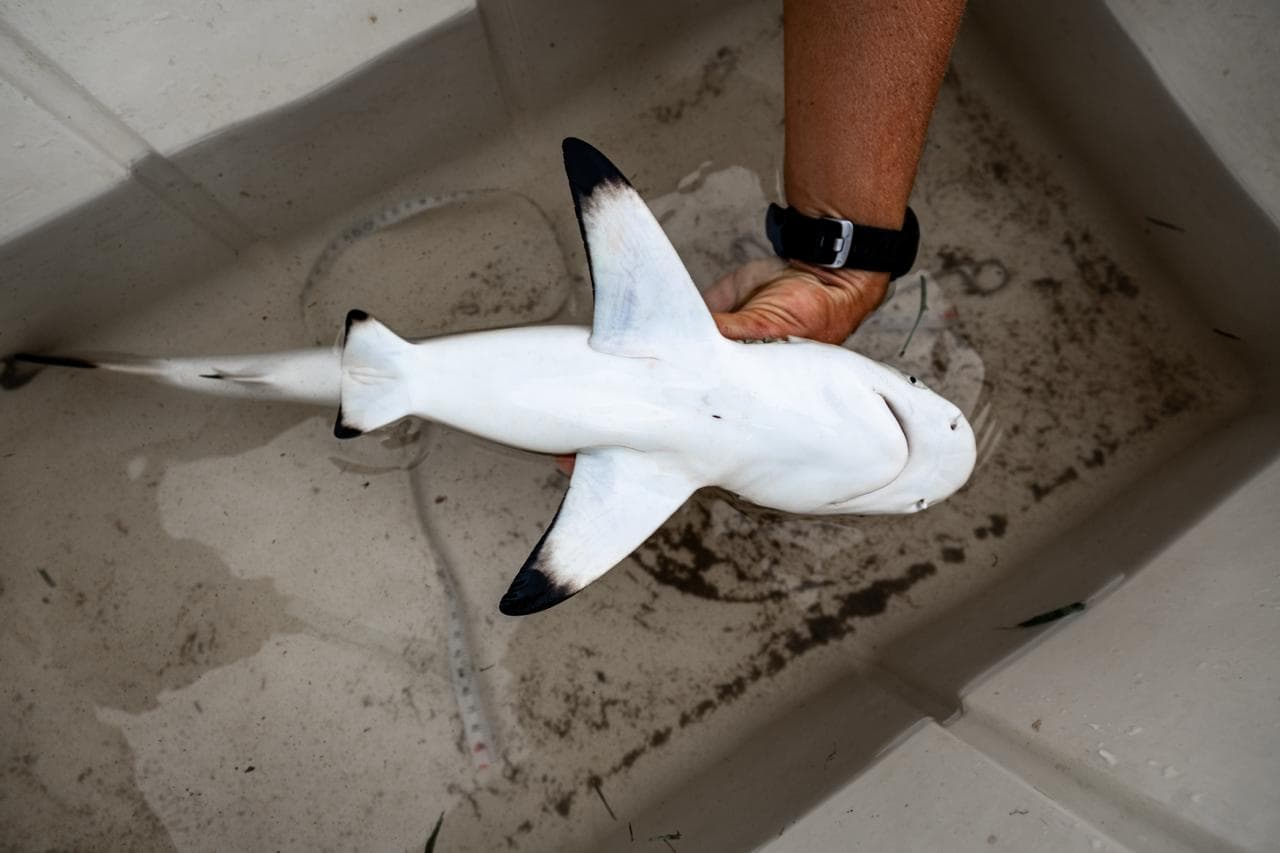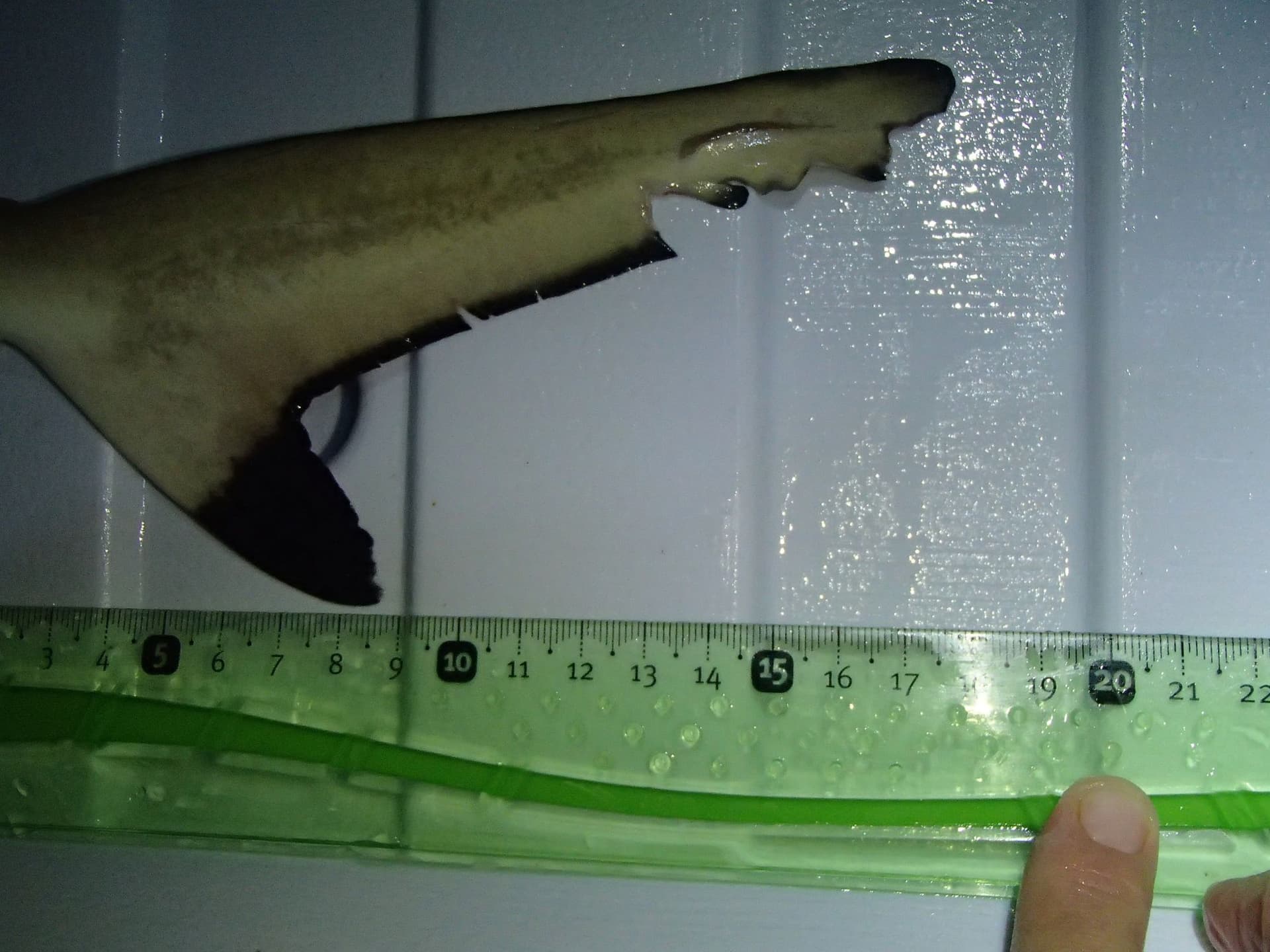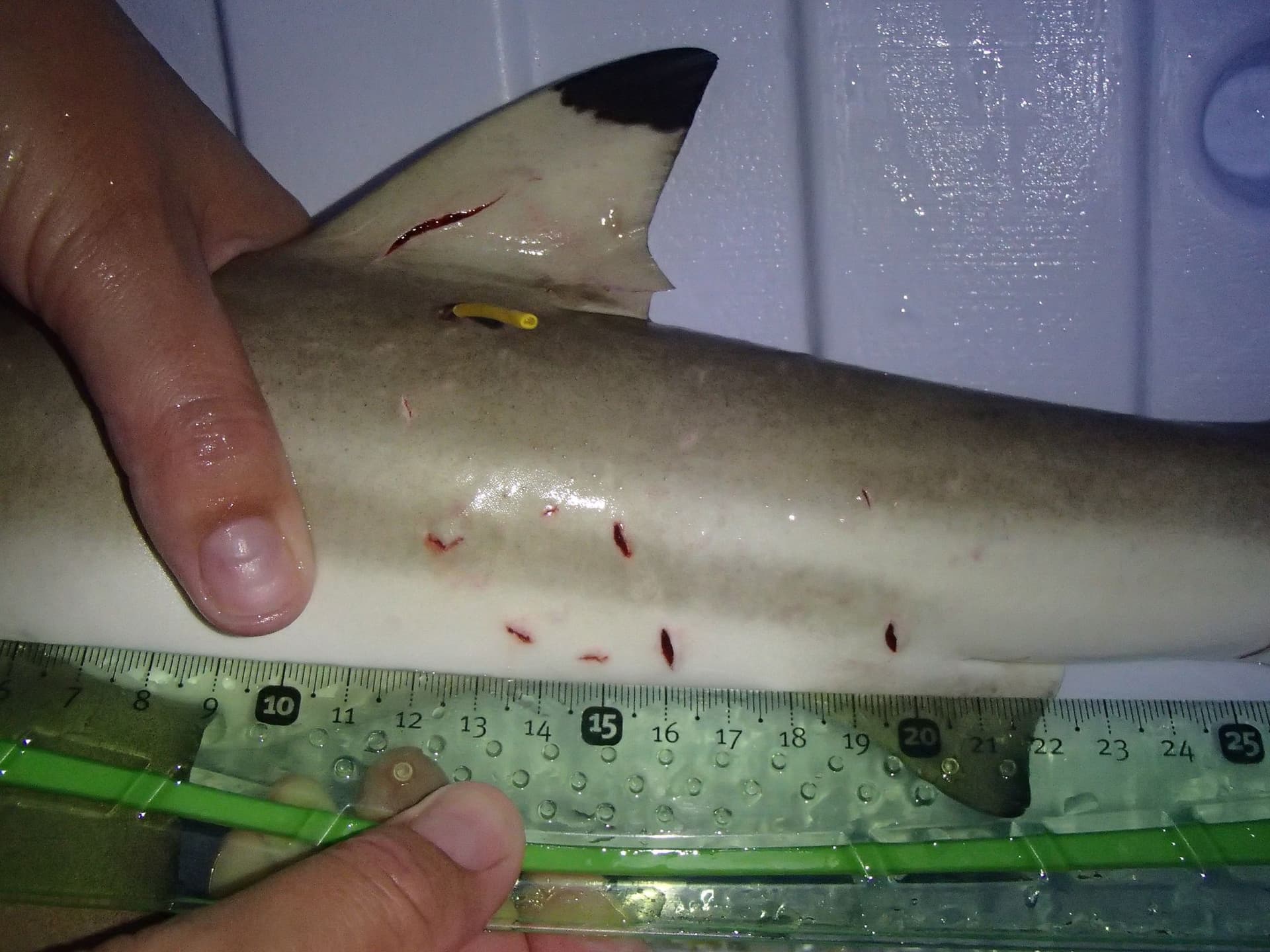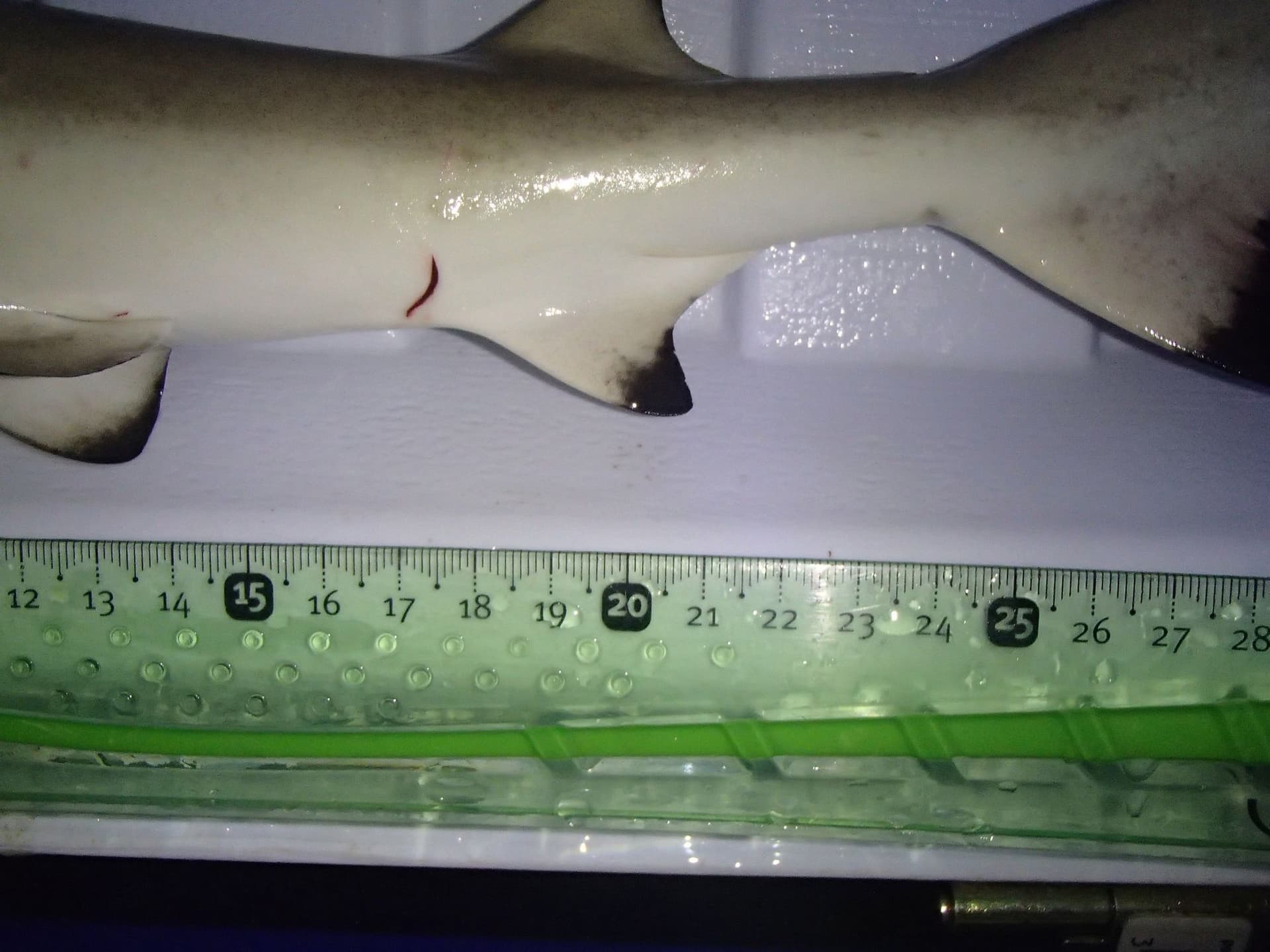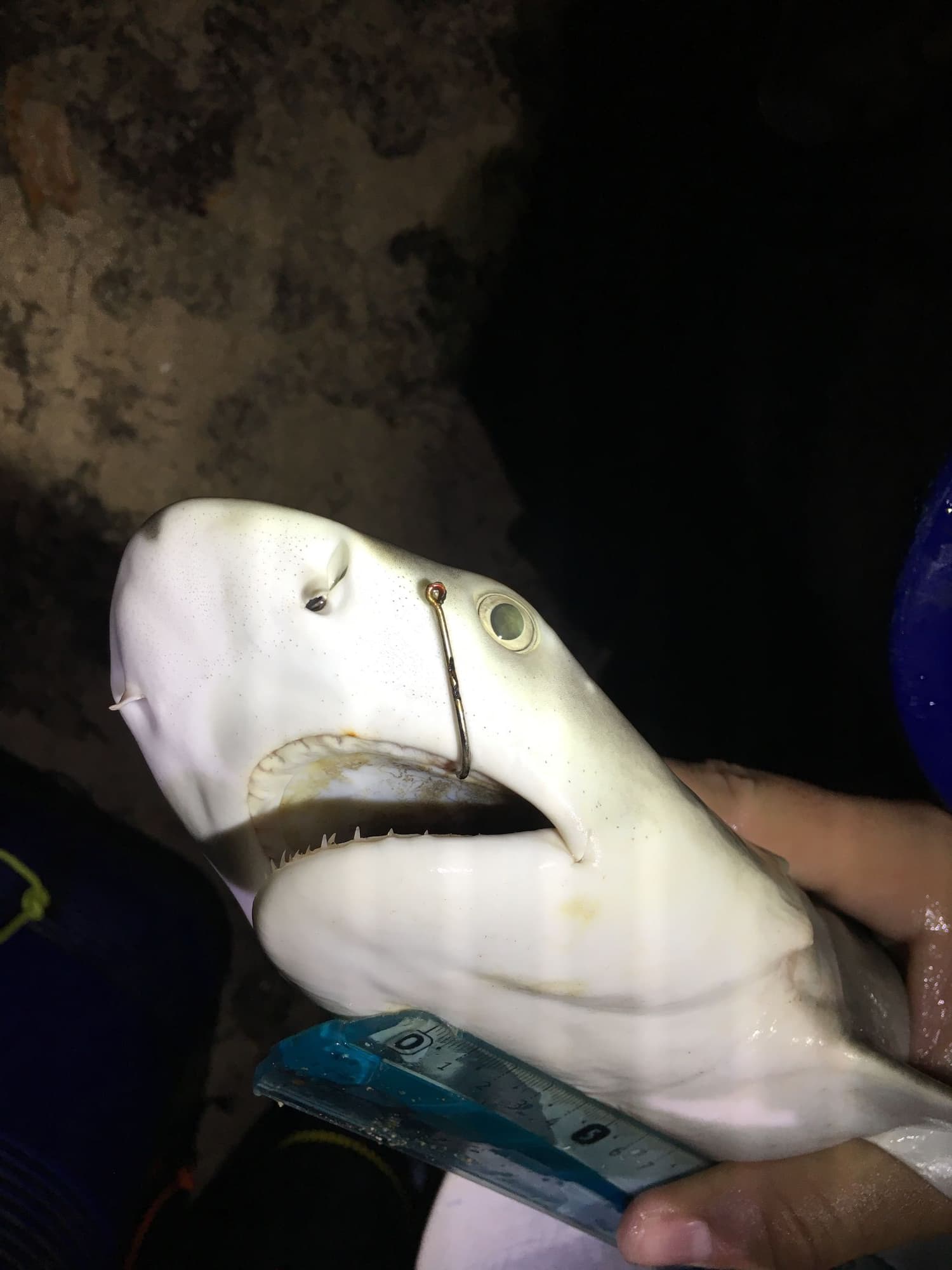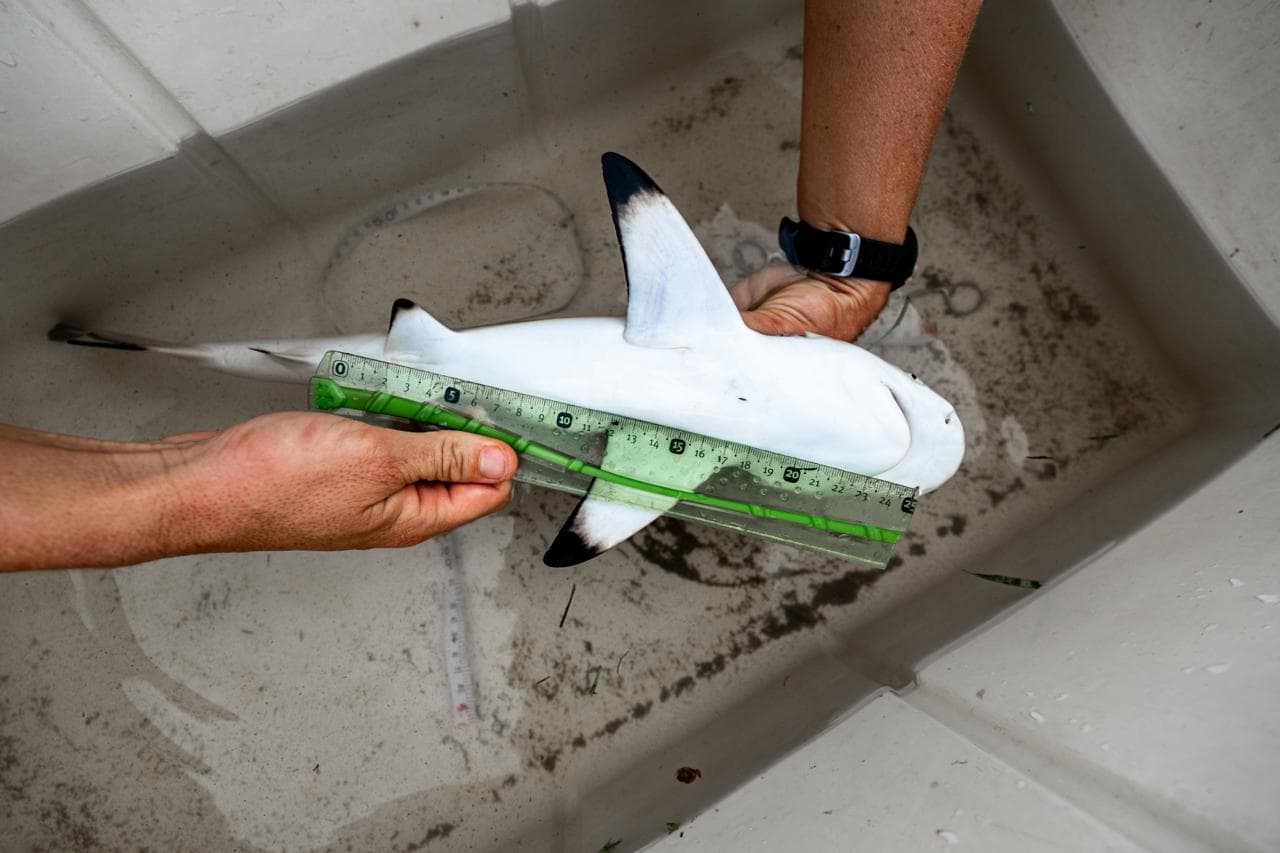
Imagine being born into a shark tank. Literally.
You are only minutes old. You have no parents to protect you. Everything bigger than you wants to eat you. And to make matters worse, you are born with an open wound on your stomach.
This isn’t the plot of a survival horror movie; it is the daily reality for neonatal reef sharks in the nursery lagoons of Moorea, French Polynesia. While we often think of sharks as the ocean's apex predators, their babies enter the world in a high-stakes game of survival where the margin for error is razor-thin.
A fascinating new study published in Journal of Fish Biology (2025) by Shamil F. Debaere, Dr. Jodie Rummer, and their colleagues takes a deep dive into this hostile world. They asked a brutal but essential question: When a baby shark gets hurt, does it pay a price?
The answers they found are changing how we understand shark physiology, resilience, and the impacts of a warming ocean.
The Energy Budget: Growth vs. Healing
To understand why this research is so groundbreaking, we have to look at the "energy budget" of life.
Think of a baby shark’s body energy like a household budget. You have a limited amount of currency (calories/energy) coming in. Most of that budget needs to go toward growth-because in the ocean, getting bigger is the best way to stop getting eaten. Some energy goes to maintenance (swimming, breathing), and some to immune defense.
Conventionally, biology tells us that if an animal gets injured, it has to divert funds. It has to take energy away from the "growth" account to pay for the "healing" account. Therefore, an injured animal should grow slower or be skinnier than a healthy one.
Dr. Jodie Rummer, a co-author of the study and recent guest on the Athletes of the Reef podcast, explains the stakes:
"The nursery areas of Moorea are not exactly the safe havens people imagine. It is a high-stakes environment... the resilience of these neonatal sharks is nothing short of astounding."
The Science of the "Shark Belly Button"
How do you measure healing rates in wild sharks without hurting them? You use what nature gave them.
Unlike some sharks that hatch from eggs (like the Epaulette shark), Blacktip Reef sharks and Sicklefin Lemon sharks are viviparous. They are born live, connected to their mothers by an umbilical cord. When they are born, that connection is severed, leaving them with an umbilical scar-essentially, an open belly button.
Lead author Shamil Debaere realized that because every single shark is born with this identical wound, it acts as a standardized biological clock. By tracking how fast this "belly button" closes, researchers could measure healing capacity without inflicting any new injuries on the animals.
The team analyzed long-term datasets from Moorea, French Polynesia, and St. Joseph Atoll in the Seychelles, looking at how minor injuries affected the growth and body condition of these neonates.
Key Findings: The Super-Healers of the Reef
The results of the study were unexpected and highlighted the incredible evolutionary design of elasmobranchs (sharks, skates, and rays).
1. The Cost of Injury is... Zero?
The most surprising finding was the lack of a trade-off. The researchers found no impact of minor external injuries on the growth or body condition of neonatal Blacktip Reef or Sicklefin Lemon sharks.
Despite the theoretical "household budget" constraints, these baby sharks managed to heal from minor wounds while continuing to grow just as fast and stay just as chubby (body condition) as their uninjured counterparts. They appear to possess a "super-power" capacity for tissue regeneration that doesn't bankrupt their energy reserves.
2. Some Like it Hot (But is that Good?)
The study also looked at the influence of temperature. Sharks are ectotherms (cold-blooded), meaning the outside temperature dictates their internal metabolism.
When neonatal Blacktip Reef sharks were kept in warmer water (29°C vs. 25°C), their umbilical wounds healed significantly faster. While this sounds positive, it’s a double-edged sword. Faster metabolism means faster healing, but it also means the shark burns through energy much quicker, requiring more food in an environment where hunting is already difficult and dangerous.
3. Species are Not Created Equal
The study highlighted that not all reef sharks heal the same way. There were distinct differences in healing rates between the Blacktip Reef sharks and the Sicklefin Lemon sharks. This reminds us that we cannot apply a "one-size-fits-all" approach to conservation; different species respond differently to environmental stressors.
Why This Matters: Climate Change and Conservation
Why should we care about the healing rates of baby shark belly buttons? The implications extend far beyond the reef flats of French Polynesia.
1. Resilience to Fishing Pressure This study provides crucial data for fisheries management. Many sharks are caught as bycatch or in catch-and-release fishing. Knowing that neonatal sharks are highly resilient to minor injuries suggests that if they are handled correctly and released quickly, their chances of survival are high. They can heal from the minor trauma of being handled without sacrificing their growth.
2. The Warming Warning As climate change warms our oceans, understanding the relationship between temperature and physiology is vital. This study confirms that heat accelerates physiological processes like healing. However, as Dr. Rummer notes in her wider research, there is a tipping point. If the water gets too hot, the metabolic cost of staying alive becomes too high, and the "energy budget" collapses.
Tiny Titans
The image of a baby shark, swimming alone in a predator-filled lagoon with an open wound on its belly, evokes a sense of vulnerability. But science tells a different story.
This research by Debaere, Rummer, and their team reveals that these creatures are tiny titans of resilience. They are built to withstand the hardships of the wild, healing with an efficiency that human medicine can only dream of.
However, their natural resilience has limits. While they can shrug off a minor scrape or a predator's nip, they cannot heal from the systemic threats of habitat destruction and runaway climate change. Understanding their biology is the first step in ensuring these "athletes of the reef" have a playing field for generations to come.